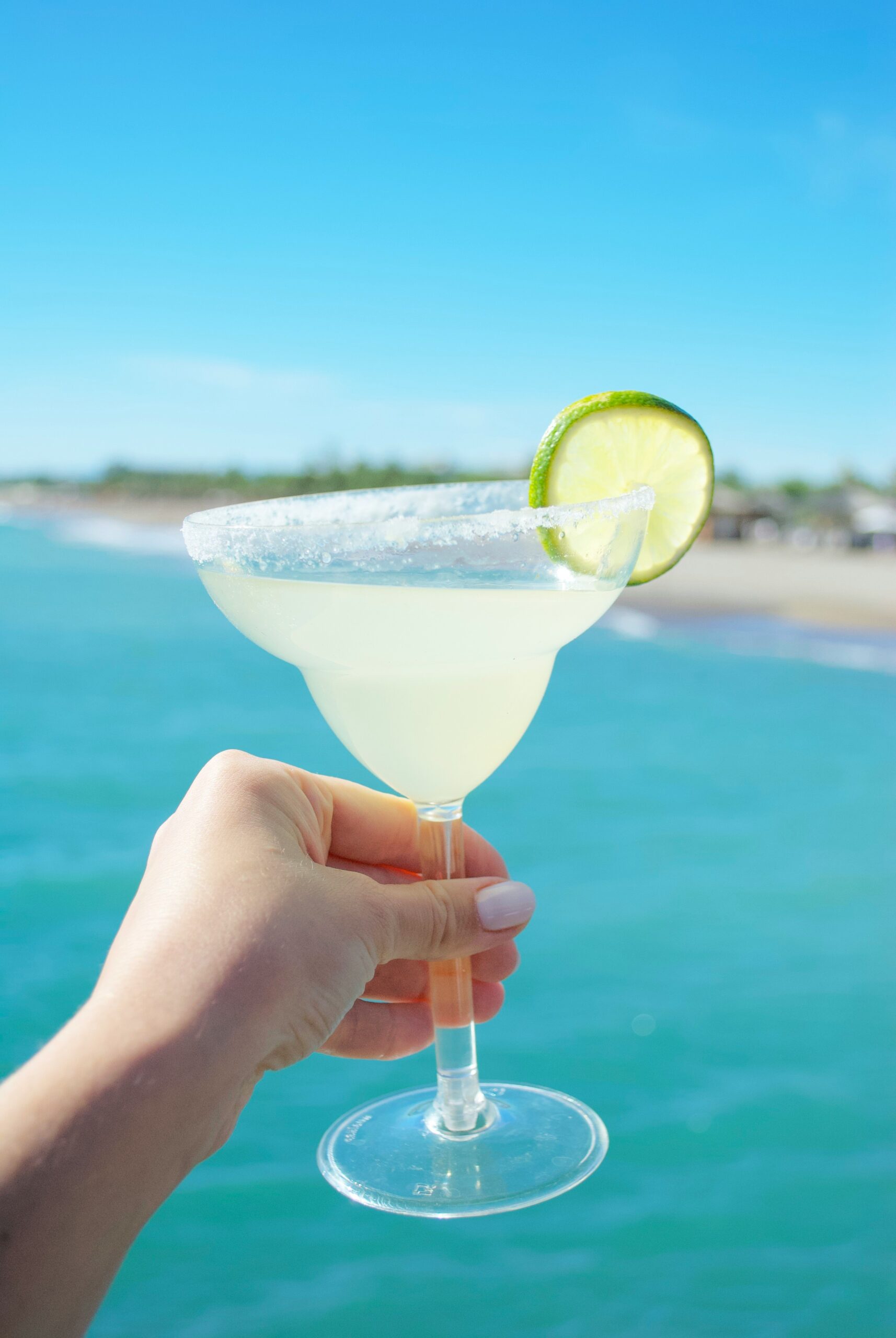
Alcohol is another word for the chemical ethanol. All liquor contains alcohol but not all alcohol is liquor.
Alcohol becomes a liquor or spirit after the distillation process.
Spirit is another word for liquor.
Sugar + Yeast → Alcohol (ethanol) + CO₂
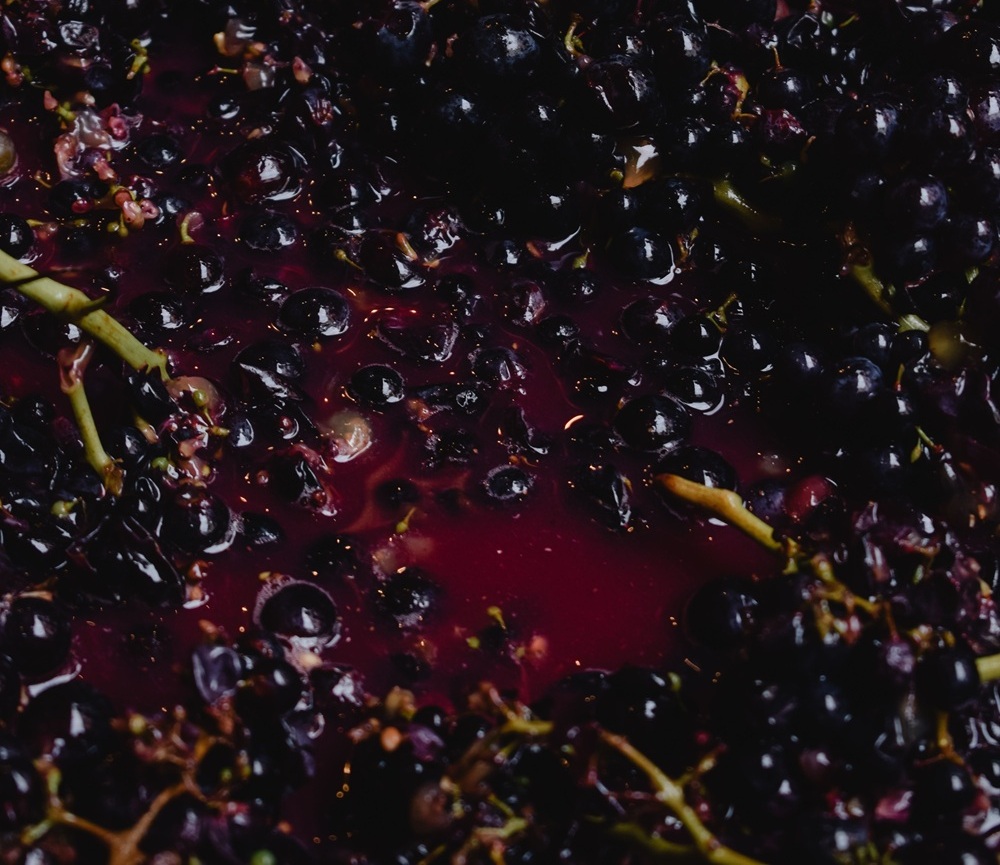
Fermentation is the biological process that produces alcohol.
During fermentation, yeast eats sugar and turns it into alcohol. The main difference between spirits (vodka, gin, rum, tequila, and whiskey) is where the sugar comes from and how the spirit is handled after distillation.
Yeast are single-celled fungi, meaning each yeast cell is a tiny living organism. When yeast eats sugar, its waste products are alcohol (ethanol) and carbon dioxide (CO₂).
Did you know 🔎
The byproduct of CO₂ bubbles is what causes bread to rise in baking. There is also a small amount of alcohol produced in bread, but it evaporates due to the heat of the oven.
At first, a fermented liquid might only contain around 5–15% alcohol.
Beer, wine, cider, sake, and mead are fermented liquids that are NOT distilled before bottling.
Distillation is the purification of alcohol. The fermented liquid is placed in a still and heated. This separates the ethanol from other compounds in the fermented liquid because ethanol evaporates more easily (at a lower temperature) than water and other heavy compounds in the mixture.
The vapor travels through the still into a cooler area called a condenser. The vapor cools, turns back into liquid and as a result the collected liquid has a higher alcohol concentration.
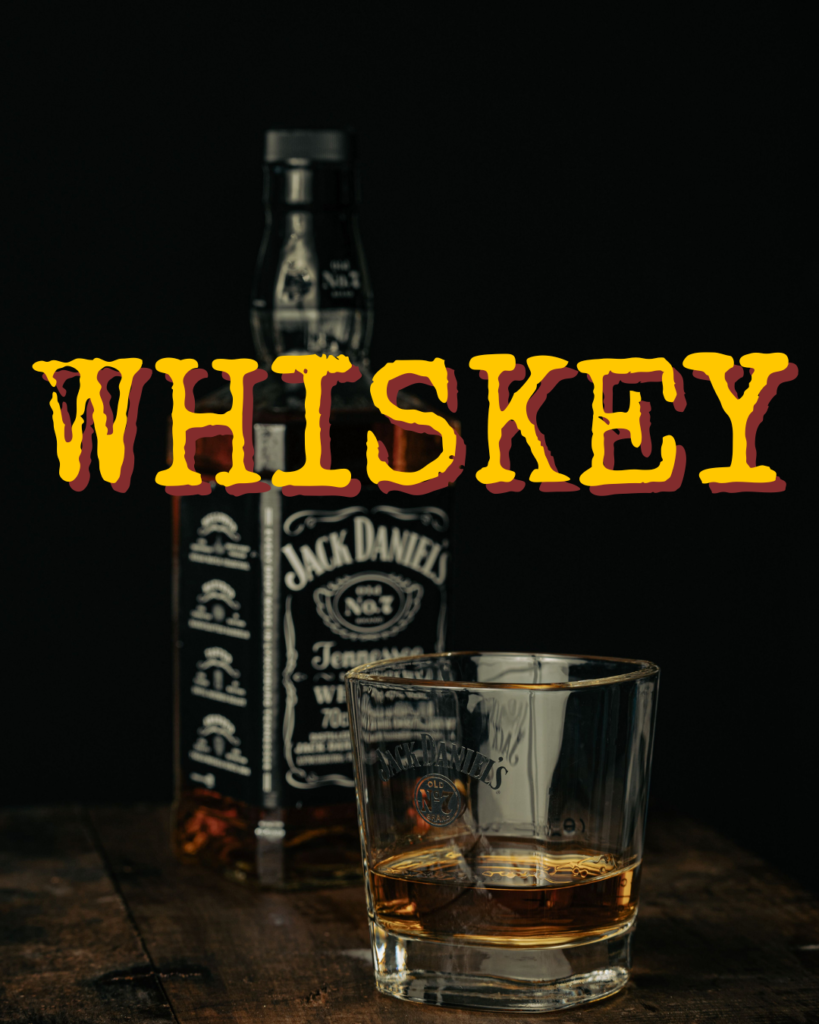
Some spirits use multiple stages of separation or are aged after distillation. Whiskey is often aged in oak barrels, which adds color and flavors like vanilla, caramel, and spice. Vodka is filtered and bottled without aging.
Fermentation creates alcohol.
Distillation concentrates and refines it.
Aging adds more character.
The yeast used in alcohol production today is grown in a laboratory. Scientists have found which strains of yeast are the best at producing alcohol.
For over 8,000 years humans made beer and wine without knowing that yeast even existed. They just knew that sugary liquid mysteriously turned into alcohol under certain conditions.
Early civilizations noticed crushed grapes left in a container would turn into wine and grain porridge left sitting would become beer. They didn’t know microorganisms were responsible, they thought it was magic, divine action, or “spontaneous transformation.”
The wild yeast living on fruit skins and in the air would land in the sugary liquid and start fermenting. Nobody could see the yeast because microscopes hadn’t been invented yet.
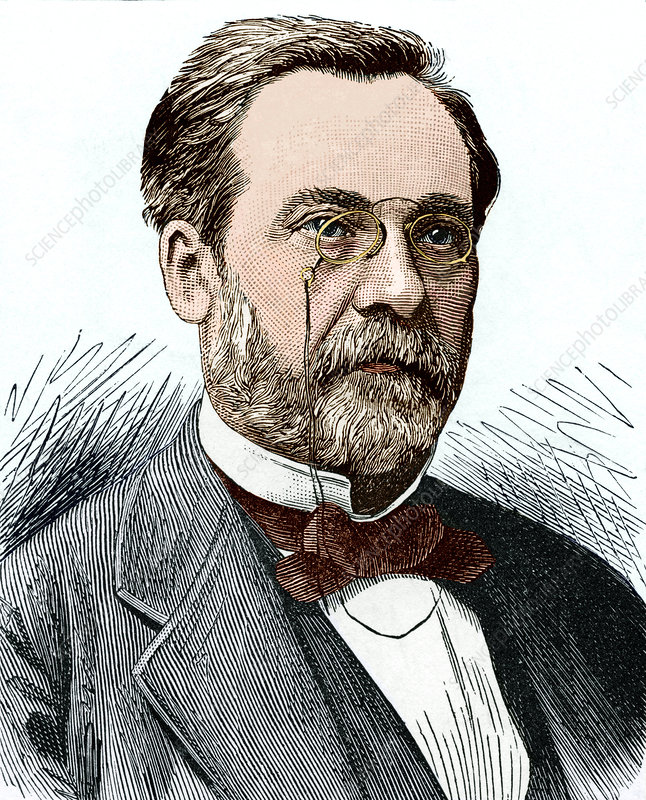
In the 1800s, the French scientist Louis Pasteur studied fermentation and proved that yeast are living microorganisms responsible for turning sugar into alcohol.
Before Pasteur, many scientists believed fermentation was just a chemical reaction, not a biological process.
His research created the modern understanding of brewing, winemaking, distillation, and microbiology.
Did you know 🔎
Louis Pasteur didn’t invent milk pasteurization directly, but his research made it possible. The process is named in his honor because he discovered that heating liquids can kill harmful microorganisms and prevent spoilage.
Liquor classifications can shift over time based on marketing, consumer perception and demand. Tito’s Vodka is a clear example: by heavily promoting itself as gluten-free (even though all vodkas are gluten-free) the brand reshaped how customers viewed it and moved from a typical call vodka into the premium category in many bars.
Did you know 🔎
Grain-based vodkas are gluten-free because of the distillation process. Gluten is a protein. During distillation, alcohol vaporizes and rises, and heavy proteins like gluten do not carry over into the distillate, they’re left behind in the still.
Well: The house liquor kept in the speed rail. Well liquors will have the lowest price point. Well does not necessarily indicate low quality.
Call: A specific mid-tier brand requested or ‘called’ by name.
Premium: Higher-quality spirits with better ingredients, aging, or reputation.
Top Shelf: Ultra-premium, rare, limited, highly aged, or prestige bottles. Not always ordered in cocktails, sometimes for sipping.
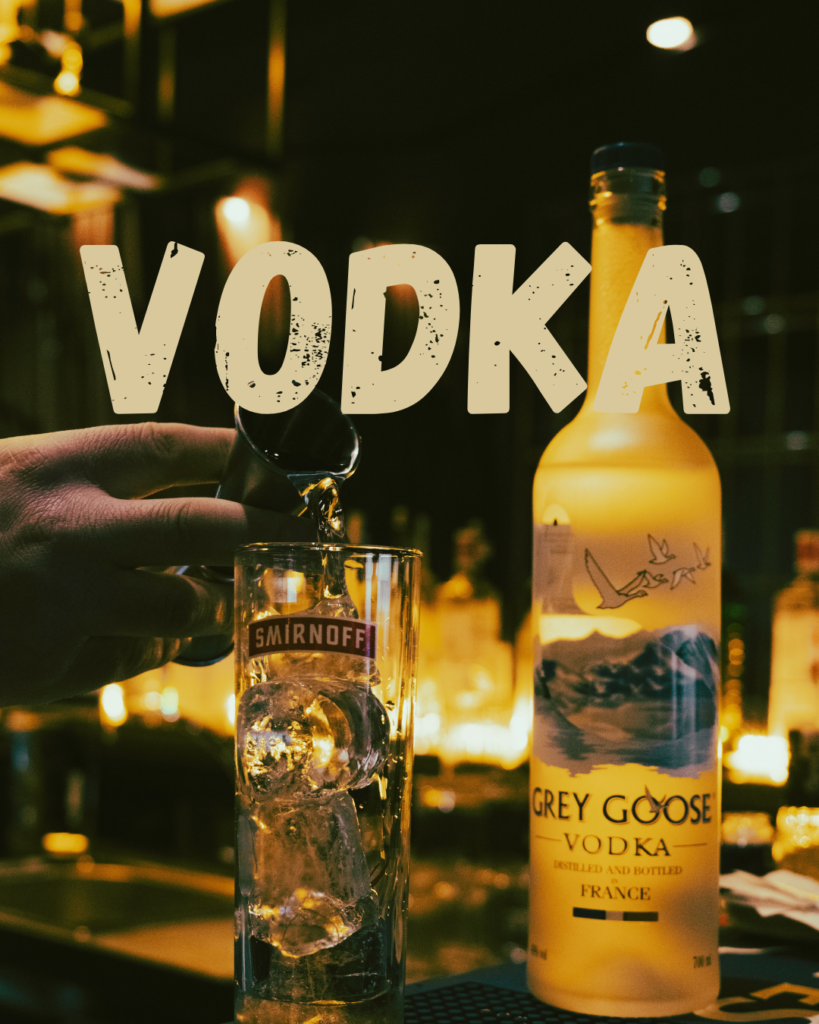

To this day there is much debate about whether vodka originated in Poland or Russia.
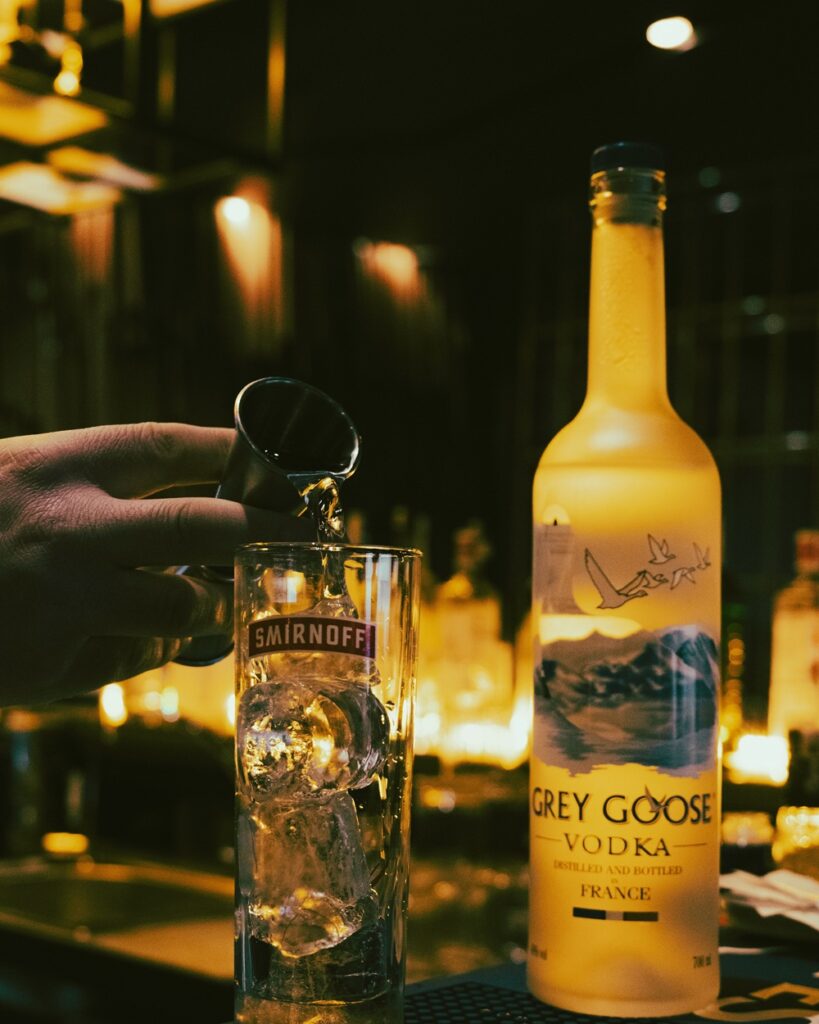
Regardless of its true origin, vodka is extremely popular around the world because of its versatility. Vodka can be used in a wide variety of cocktails because it is odorless, flavorless, and colorless.
Although vodka can be made from many different sources, including grapes and potatoes, it is most commonly distilled from corn, wheat, or rye. Vodka is typically distilled multiple times and heavily filtered to remove impurities. In general, the more vodka is distilled and filtered, the smoother and higher in quality it becomes.
According to my most recent research, Sweden dominates the international market, exporting hundreds of millions of dollars worth of vodka, closely followed by France and then the United States.
Keep in mind, Russia holds the #1 spot for vodka production and consumption, they just don’t export it as much as other countries.
Vodka Flavors
Vodka is available in a wide range of flavor varieties which are designed to add subtle fruit, citrus, herbal, or dessert-like notes while maintaining its neutral base. Common flavor profiles include citrus (lemon, lime, orange, citron), berry (blueberry, raspberry, cherry, cranberry, wild berry), orchard fruit (apple, peach, pear, mango, pineapple), and fresh botanical styles such as cucumber, mint, elderflower, and dill pickle. Dessert-inspired flavors include vanilla, caramel, chocolate, whipped cream, coffee/espresso, and coconut, along with more experimental or bold infusions such as spicy mango, spicy tamarind, or sweet tea.
Flavored vodka is created by infusing or re-distilling with natural or artificial flavor compounds. You can make your own flavored vodka at home by steeping fruits, herbs, spices, or even candy in vodka for several days, then straining it to create a customized infused spirit.
Did you know 🔎
The word vodka is derived from the Slavic root “voda” (вода), meaning water. The ending “-ka” is a diminutive suffix in many Slavic languages, so vodka roughly translates to “little water”.
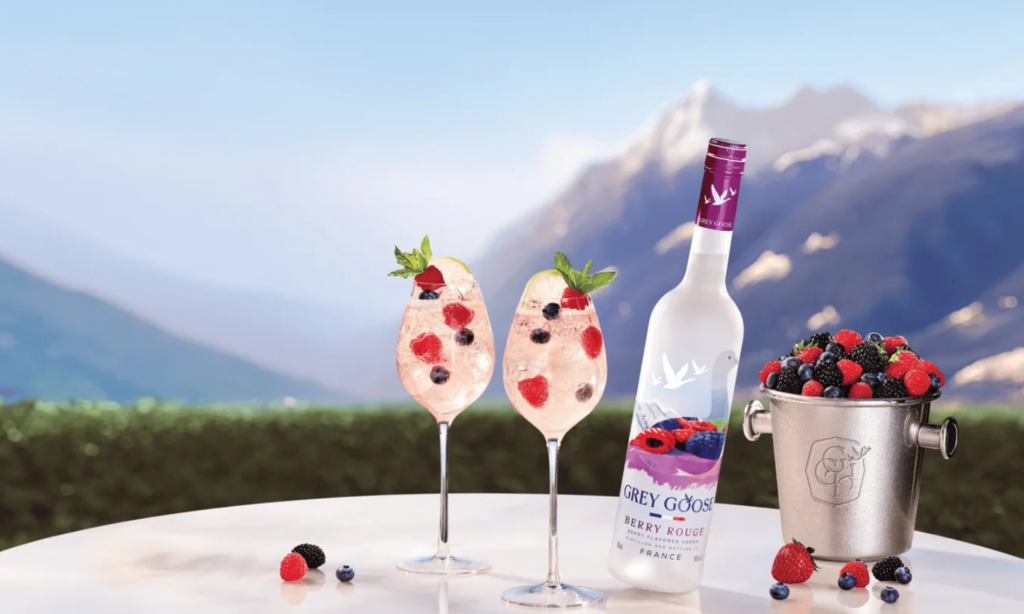
Sea Salt vodka enhances texture and adds a subtle salinity that amplifies other flavors. It shines in dessert-style drinks like salted caramel cocktails. The result is a smooth contrast of sweet, creamy, and slightly savory flavors that feels richer and more balanced rather than overly sugary.
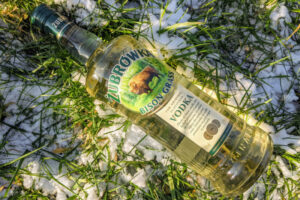
“Bison grass” is the common name for a plant called Hierochloë odorata (also known as sweet grass). It grows in parts of Poland where European bison graze which is why the vodka has a bison on the label. It’s commonly mixed with apple juice in Poland, that combo is called a “Szarlotka” (tastes like apple pie).
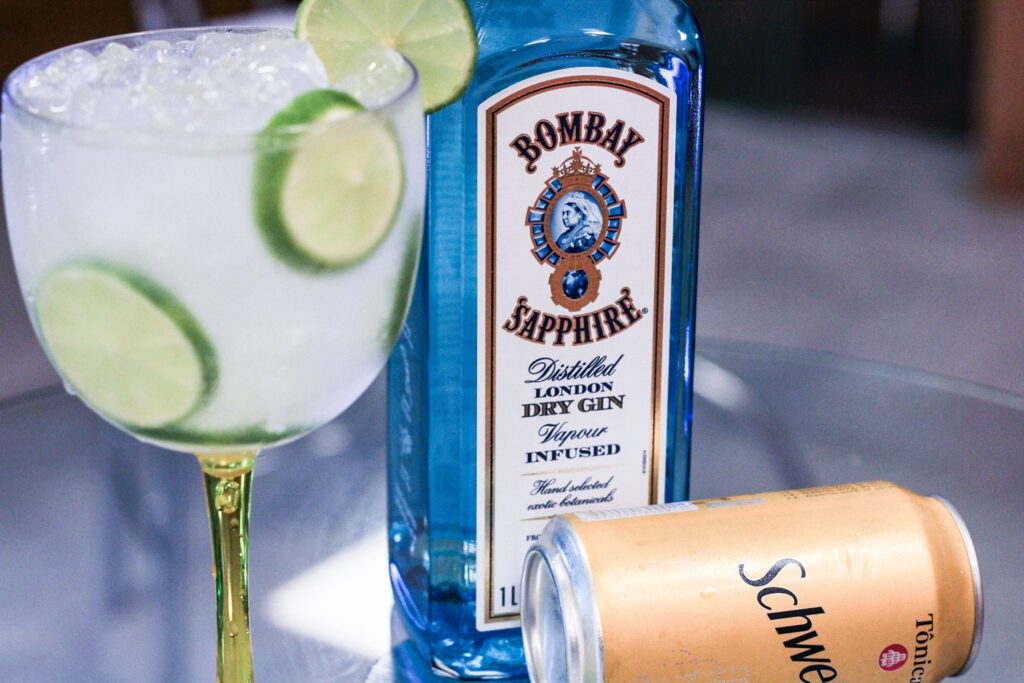
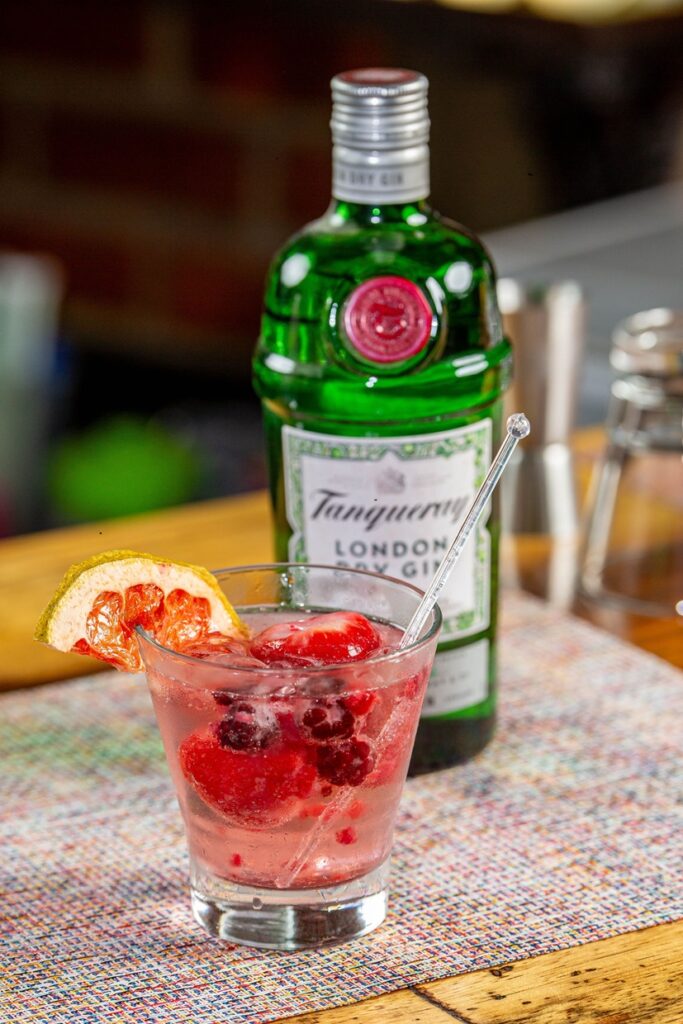
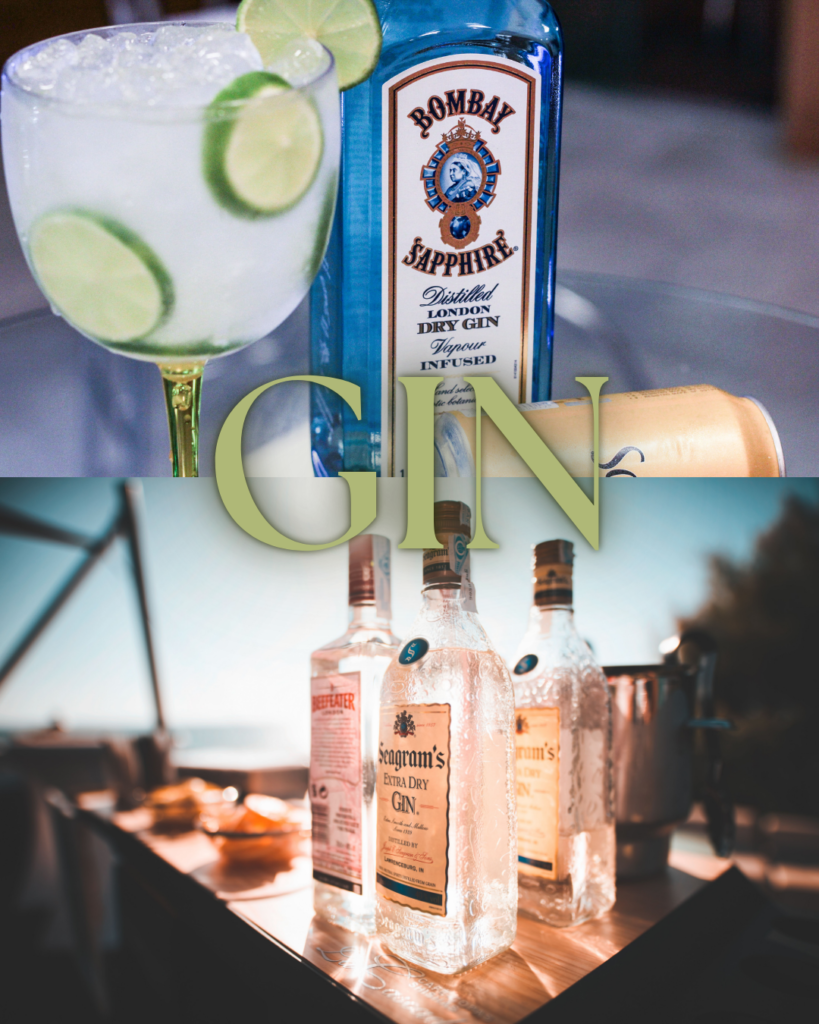
Gin originated in Holland, where it was first known as genever, a spirit flavored with juniper berries. In the 1600s, gin spread to England, where it became widely popular, and today many of the world’s most recognized gin brands are still produced there.
Gin is made from a neutral grain spirit, similar to vodka, but is redistilled or infused with juniper berries and other botanicals to create its distinctive flavor. Juniper is the defining ingredient, giving gin its pine-like character, while additional botanicals such as coriander seed, citrus peel, cucumber, and various herbs and spices shape each brand’s unique profile.
Because of this botanical flexibility, gin styles can range from bold and juniper-forward to light, citrusy, or floral depending on the recipe and production method.
Gin is commonly used in cocktails alongside vodka, but its stronger botanical character gives drinks a more complex, aromatic flavor profile.
Did you know 🔎
A juniper berry is the small, aromatic fruit of the juniper plant, an evergreen shrub in the cypress family. Despite the name, it isn’t technically a berry, it’s a tiny seed cone that looks and behaves like a berry. They start out green and hard, then ripen over 1-3 years into a blue-purple color. They’re about the size of a small pea.
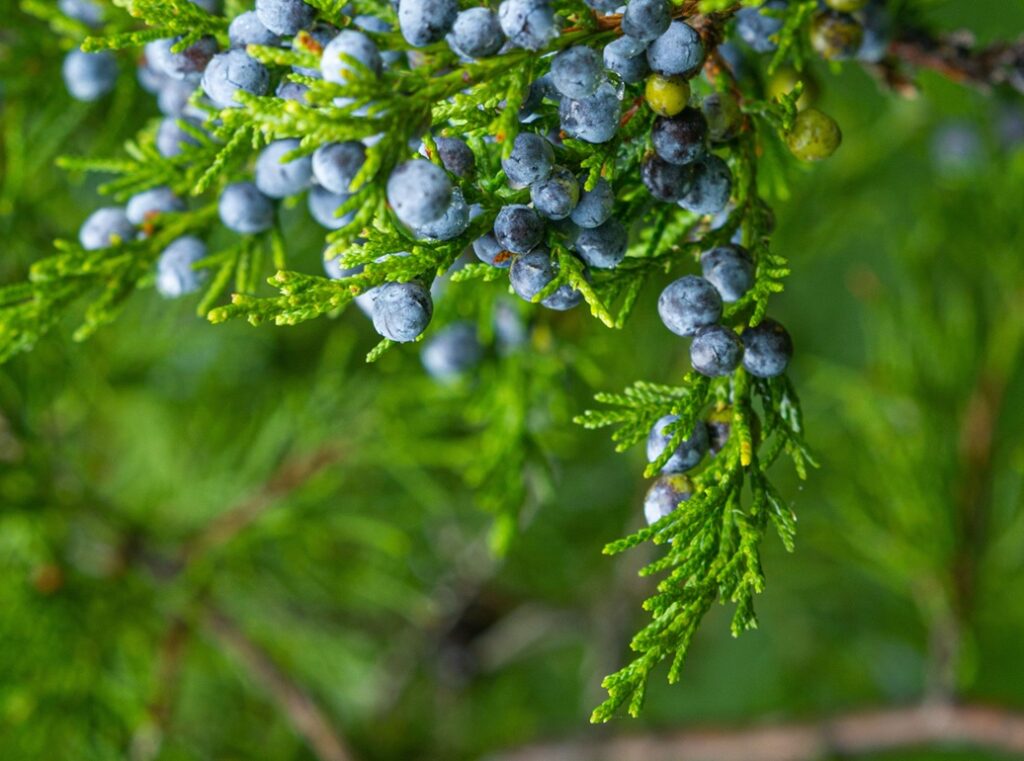
In the 1600s juniper was believed to have health benefits including: acting as a diuretic (to help cleanse the body), supporting kidney and digestive health and helping with plague-era ailments. Doctors and apothecaries would mix alcohol with botanicals to make them easier to consume and preserve.
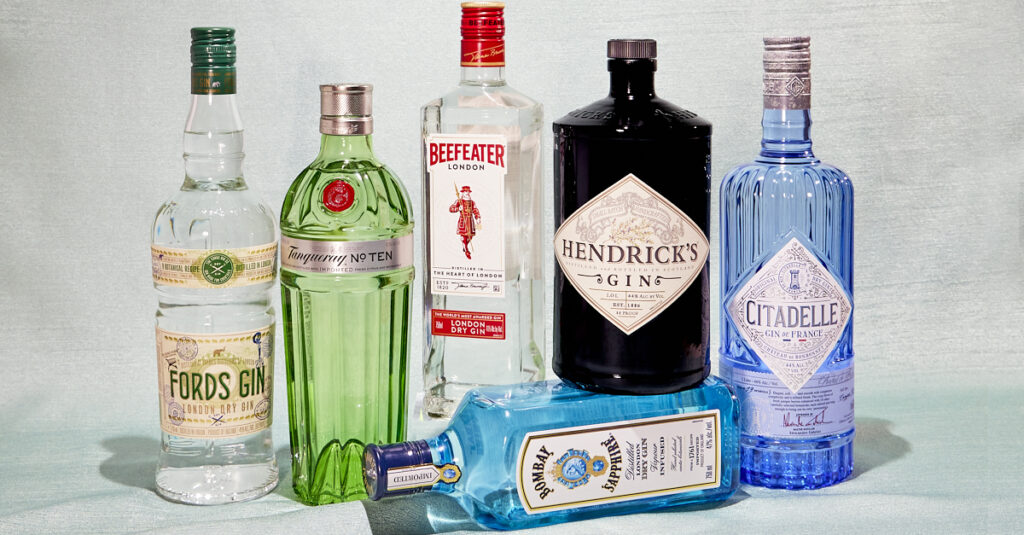
London Dry Gin is the most common and traditional style of gin. It is distilled with botanicals and contains no added sugars or artificial flavorings after distillation, giving it a crisp, classic character.
Flavor Profile: London Dry Gin is bold and juniper-forward, with bright citrus notes, earthy coriander, and a dry, herbal finish.
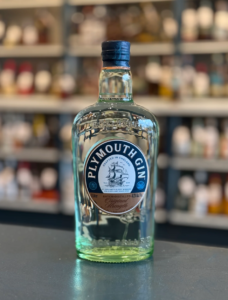
Plymouth Gin is a historic style of gin originating in Plymouth, England, known for being slightly softer and less juniper-forward than London Dry gin. There is only one producer of true Plymouth gin, the Black Friars Distillery in Plymouth, which makes it both a protected geographic style and a single-brand spirit. Because of this, Plymouth gin is unique in that the style and the producer are essentially inseparable.
Flavor Profile: Less sharp and piney than London Dry, Plymouth Gin offers a fuller body with warm earthy botanicals, light citrus, and a smooth, slightly sweet finish.
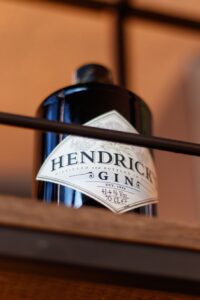
New Wave Gin (also called New Age or New Western) is a modern style that moves away from the traditional juniper-dominant profile and focuses more on creative and unconventional botanicals. These gins emphasize unique flavors and often highlight local or seasonal ingredients.
Flavor Profile: New Wave Gin is typically lighter on juniper, with bright citrus, floral, herbal, or even fruity notes taking center stage, creating a softer and more contemporary taste.
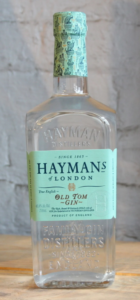
Old Tom Gin is a lightly sweetened style of gin that was popular in the 1800s. It is richer and softer than London Dry Gin, with a touch of sweetness that balances the juniper and botanical flavors. Old Tom Gin is essential for classic drinks like: Tom Collins, Martinez, and early versions of the Martini.
Flavor Profile: Old Tom Gin is smooth and slightly sweet, with warm juniper, citrus, and subtle spice notes, offering a rounder, fuller taste than London Dry.
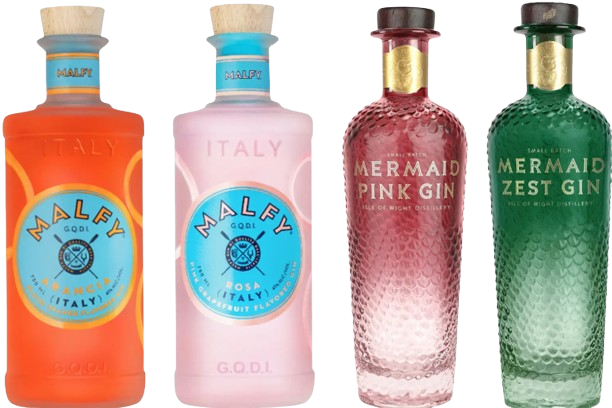
Flavored or Fruit-Forward Gins still contain juniper (which makes them gin) but highlight additional flavors like strawberry, grapefruit, rhubarb, cranberry, or blood orange. Unlike flavored vodka, where sweetness is often added after distillation, these gins are crafted so the fruit and botanicals are integrated into the spirit itself.
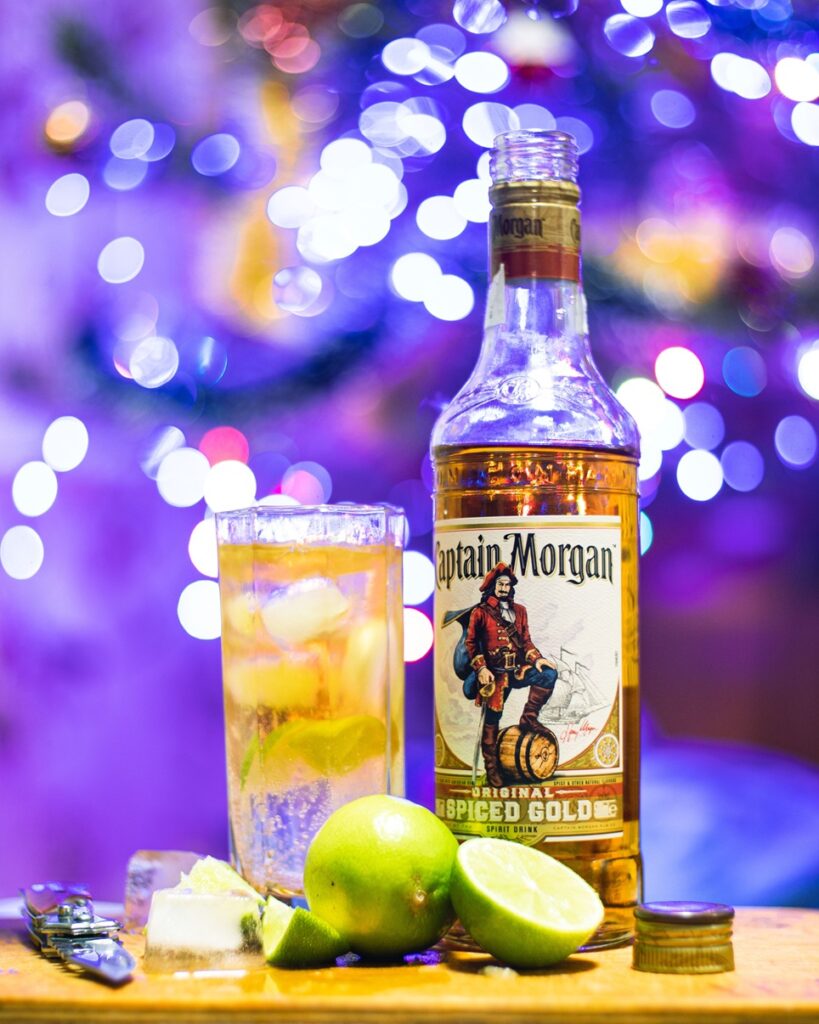
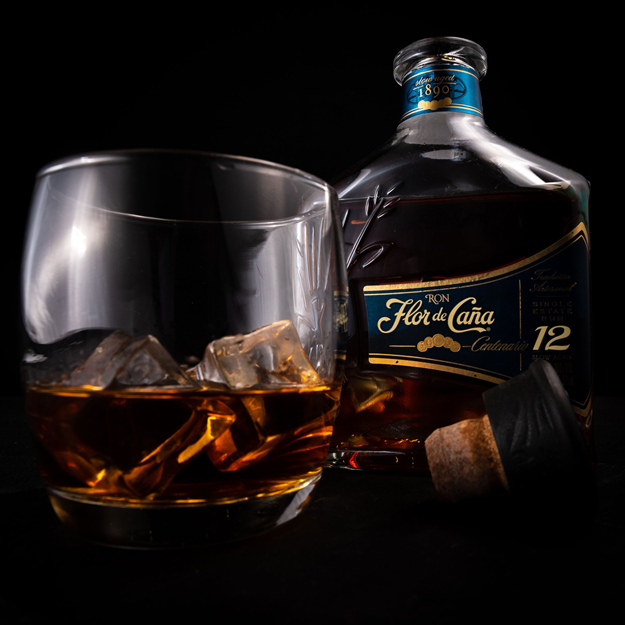
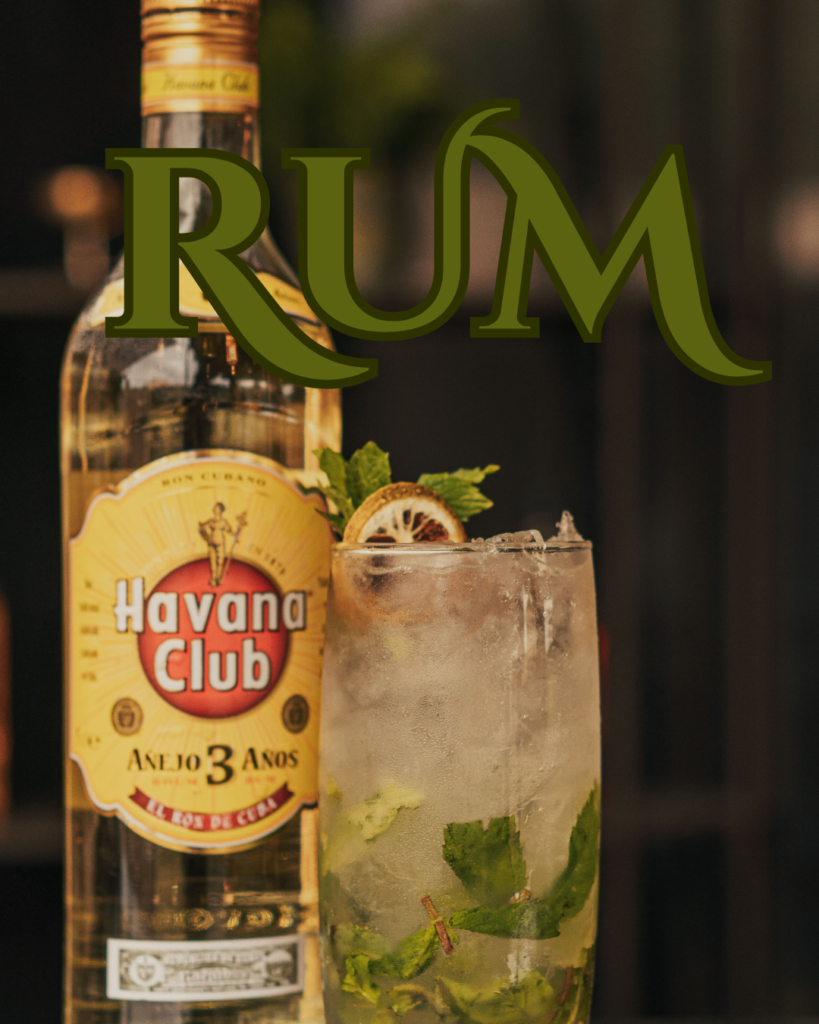
In the 1600s, sugar plantations in the Caribbean produced huge amounts of molasses, a thick sticky byproduct left over after sugar crystals were made from sugar cane. Originally thought to be worthless waste, molasses left sitting in the heat would start fermenting from wild yeast in the air and turning into alcohol.
Rum has played an important role in world history, particularly in the Caribbean, where it became closely tied to colonial trade, naval traditions, and pirate lore. Although rum is now produced worldwide, the Caribbean and Latin America remain the primary centers of rum production.
Light Rum
Light Rum, also known as White or Silver Rum, is the most commonly used style of rum. It is light-bodied, mild in flavor, and clear in color.
Dark Rum
Dark rum is produced by aging light rum in barrels. The barrels are usually used oak barrels, used previously for aging bourbon, sherry, cognac or other liquors. While used oak barrels are the most common, rum can be aged in new barrels of all kinds of wood. The aging process gives the rum a deeper color, richer aroma, and a fuller, more robust flavor profile depending on what the barrel was used for previously.
Spiced Rum & Flavored Rum
Spiced and flavored rums are created by adding spices, fruit, and other flavoring agents after distillation. The most common spices added to rum include: Vanilla, Cinnamon, Clove, and Nutmeg. Less common spices used are: Black pepper, Star anise, Ginger, or Cardamom.
Premium Rum
Premium rums are aged anywhere from around 8 to over 30 years and can cost $200 – $2,000 per bottle. These rums are generally intended for sipping rather than mixing into cocktails.
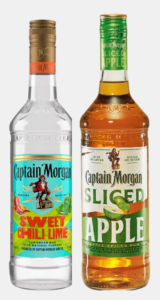
Captain Morgan is best known for its iconic Original Spiced Rum, one of the world’s most recognizable rum brands. In addition to its classic spiced offerings, the brand has expanded into unique flavored rums with releases like Sliced Apple and Sweet Chili Lime, giving drinkers bold, unexpected flavor options that are perfect for creative cocktails and seasonal drinks.
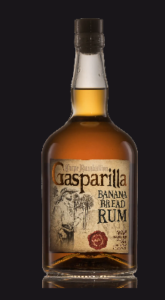
Gasparilla Rum is known for putting a creative twist on flavored rum with dessert-inspired expressions like Key Lime Pie, Banana Bread, Butterscotch, and Pumpkin Spice. These distinctive flavors offer a fun alternative to traditional fruit-flavored rums and are ideal for crafting unique cocktails or enjoying over ice.
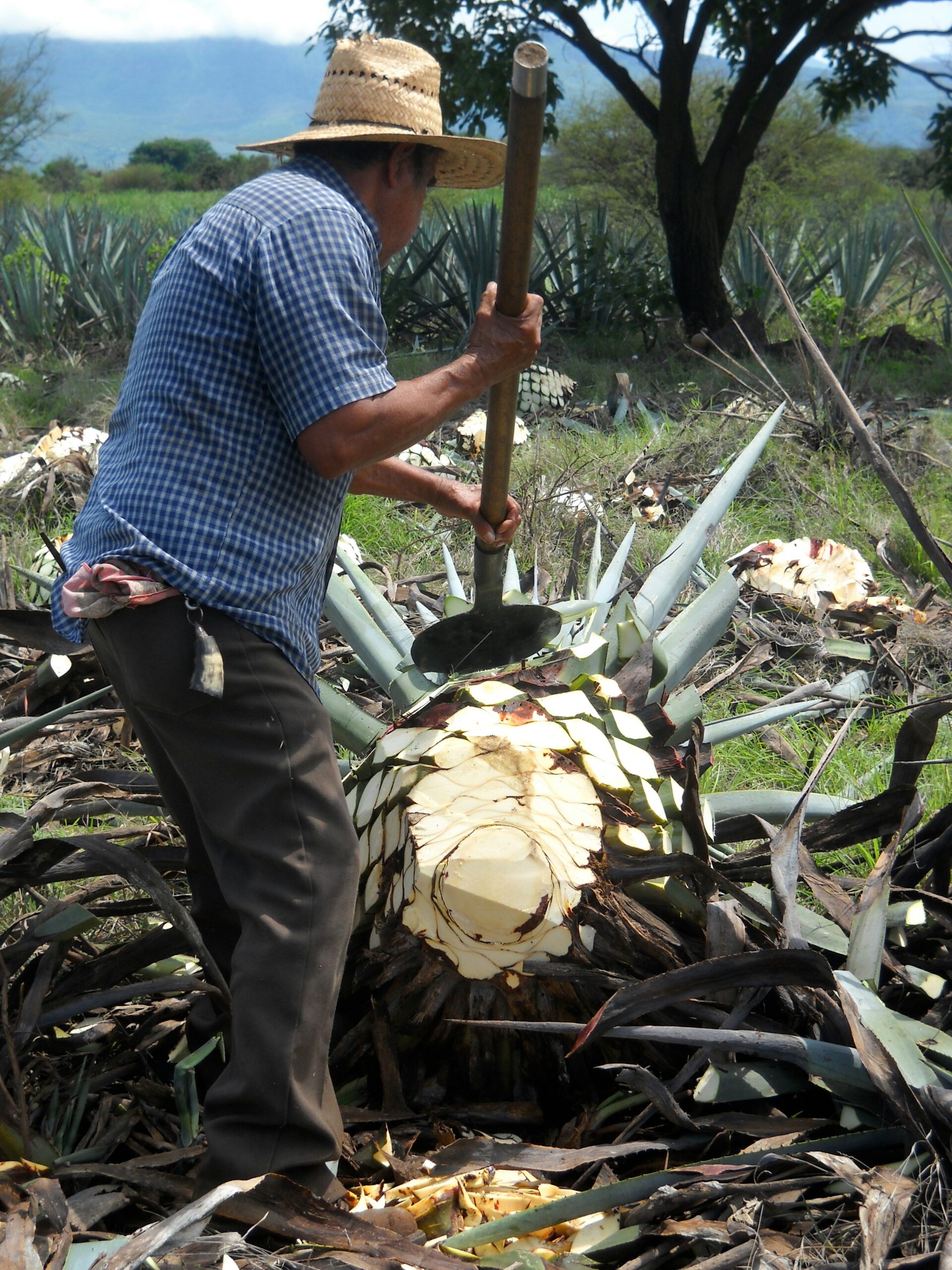
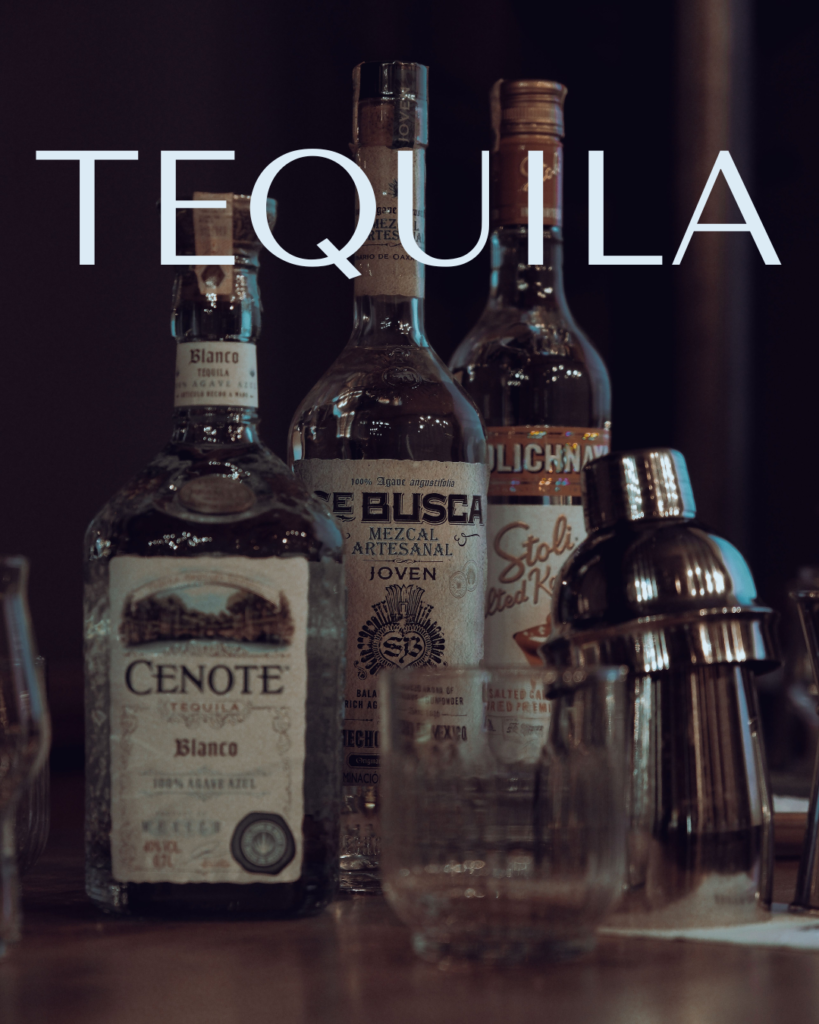
Tequila is distilled from the cooked heart, or piña, of Blue Weber agave.
There are many agave plants in Mexico, but tequila is only made from the Blue Weber agave which:
A traditional margarita needs orange liqueur. This is going to help soften the liquor and combine the flavors.
Triple Sec is an orange liqueur made from dried orange peels. It’s typically clear, sweet, and varies in quality and alcohol content depending on the brand.
“Sec” means dry in French. The name Triple Sec indicates an extra dry liqueur. Dry in this context means less syrupy and higher alcohol content. This was different from other liqueurs in the 1800s, which were often very thick, syrupy, and lower in alcohol content.
Substitutions/Upgrades:
Cointreau: A premium triple sec. Clear, smoother, stronger orange flavor, and more balanced (sweet + bitter orange). Great for Margaritas, Cosmos, etc.
Grand Marnier: An orange liqueur made with cognac (brandy). Darker, richer, warmer, and more complex with vanilla/oak/brandy notes. Often sipped or used in richer cocktails and desserts.
For a Margarita: Cointreau is usually the classic upgrade.
For a richer, smoother, more luxurious drink: Grand Marnier.
Half an ounce is the perfect amount to balance the cocktail because next we’ll be adding our sour mix.
Sour mix is lemon juice and simple syrup. Simple syrup is just water and sugar. Sour mix is basically lemonade. Store-bought sour mix is more shelf-stable, but often sweeter and can have artificial flavors or preservatives. The 1 oz of lemon juice is the first part of our sour mix, the next part is our homemade Jalapeño & Orange Zest Simple Syrup.
Dissolve equal parts white granulated sugar and water. To add a kick to our margarita, we’ll add a jalapeño to the mix. Let these ingredients incorporate until the green color of the jalapeño dissolves. Let it cool before adding to your margarita and save the excess in the fridge for up to two weeks.
Lastly, we’ll add 1 oz. of Mango juice before giving it a good shake and garnish it with a cherry.
Adding mango juice to the margarita gives the drink a rich, tropical sweetness that softens the sharpness of the citrus and highlights the tequila’s agave notes. It creates a smoother, fruit-forward profile with a slightly thicker texture and a golden color that feels more exotic than a classic margarita.
Mango works especially well because it brings both sweetness and a subtle tartness, but it’s not the only option, other fruit juices like pineapple, passion fruit, strawberry, or even watermelon can be used to create different variations.
Finish the margarita with a simple garnish like a cherry or a lime wedge, depending on preference. A cherry adds a touch of sweetness and color contrast, giving the drink a slightly more playful, tropical presentation, while a lime wedge keeps it classic and reinforces the fresh citrus aroma.